
When people think about horse racing, attention naturally turns to the horses, jockeys and excitement of race day. Yet behind every meeting is a network of local businesses that help make the event possible.
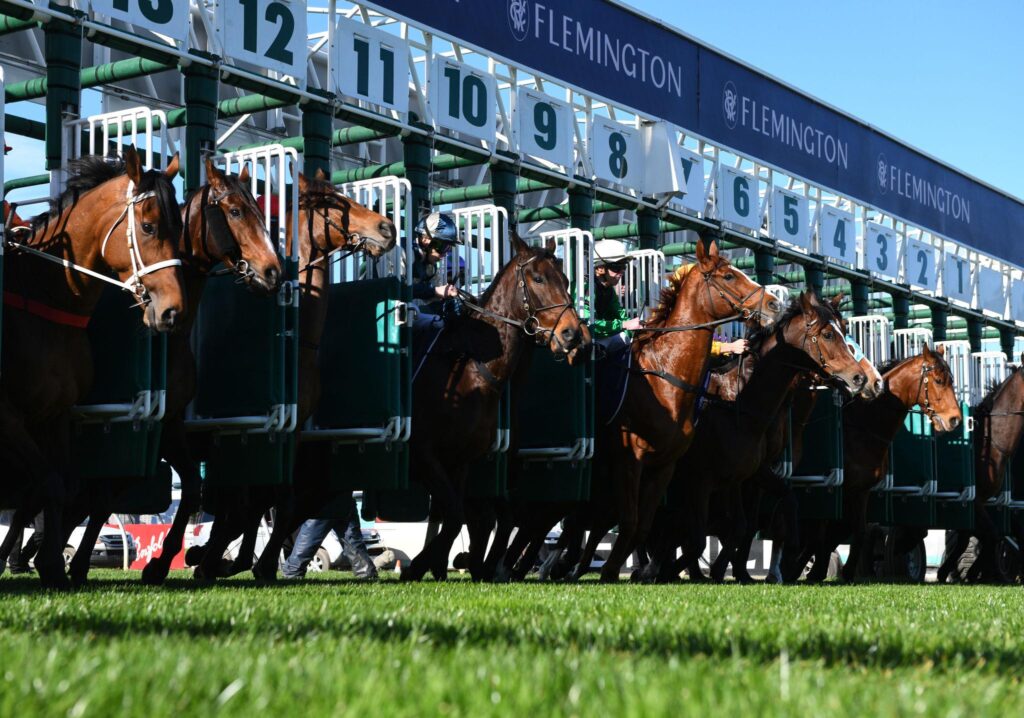
From country towns to major Australian racing centres, race meetings can connect sporting events with hospitality, transport, retail, agriculture and professional services
More Than a Day at the Races
A race meeting begins well before the gates open. Horses need to be transported, prepared and cared for, while racecourses require staff, equipment and services.
Trainers may purchase feed and stable supplies, owners may arrange transport and veterinary services, and racing clubs may work with local contractors to prepare their venues.
This means economic activity can build around a race meeting long before spectators arrive.
Country Racing and Small Towns
Regional racing has a particularly strong connection with local business.
A race meeting can bring visitors from surrounding towns and regions, creating additional demand for accommodation, restaurants, cafés, fuel stations and transport services.
For businesses in smaller communities, an event that attracts several hundred or several thousand visitors can provide an important trading opportunity.
Accommodation and Tourism
Visitors travelling to a race meeting may stay overnight, especially when the event forms part of a larger carnival or community celebration.
Hotels, motels, holiday properties and other accommodation providers can benefit from this visitor traffic. Tourism operators may also encourage visitors to explore attractions in the surrounding region.
This creates an opportunity for racing and tourism to work together rather than operating as separate industries.
The Hidden Supply Chain
The racing economy extends into areas that spectators may never see.
Veterinary clinics, farriers, feed merchants, fencing contractors, machinery suppliers, horse transport companies and specialist equipment retailers all provide services connected to the care and movement of thoroughbreds.
Many of these businesses operate throughout the year, making them an important part of the broader racing supply chain.
Race Days Create Marketing Opportunities
Businesses can also use racing events as opportunities to promote their betting brands.
Local companies may support community racing events, advertise through racing publications or provide services to race clubs. These partnerships can help businesses connect with customers who already have an interest in the sport and the local community.
For smaller businesses, building recognition through community involvement can be particularly valuable.
Professional Services Behind the Sport
Horse racing also requires a range of professional services.
Accountants, insurers, lawyers, marketers, photographers and technology providers can work with owners, trainers, breeders and racing organisations.
As racing businesses become more sophisticated, demand for specialist professional advice can increase.
Digital Commerce Expands the Market
The internet has changed how racing-related businesses reach customers.
A specialist equipment retailer can sell beyond its local area, while a racing publication can reach readers throughout Australia. Trainers, breeders and racing clubs can also use digital platforms to communicate directly with their audiences.
This combination of traditional racing and modern commerce is creating new possibilities for entrepreneurs.
A Shared Economic Ecosystem
The relationship between racing and local business is best understood as an ecosystem. Money spent around a race meeting can move through several different sectors, supporting workers and businesses along the way.
A visitor might travel to a regional racecourse, stay at a local hotel, eat at a nearby restaurant and purchase fuel before returning home. Meanwhile, the racing operation itself may use local suppliers and contractors.
Looking Beyond the Track
Horse racing remains an important part of Australia’s sporting culture, but its business influence is much broader than the competition itself.
For local communities and entrepreneurs, the industry can create opportunities across tourism, hospitality, agriculture, transport, professional services and digital commerce.
The horses may be the stars of race day, but a much larger network of Australian businesses helps keep the industry moving throughout the year.