
When thousands of spectators gather at Flemington on Melbourne Cup Day, most attention is directed towards the track. The horses are the stars, the jockeys are under pressure and the crowd waits for the race that has become one of Australia’s biggest sporting traditions.
But away from the track, another important part of the Melbourne Cup is taking place.
Inside the media room, journalists, photographers, broadcasters and racing writers are working to turn everything happening at Flemington into stories that can reach audiences across Australia and around the world.
Where the Racing Story Starts
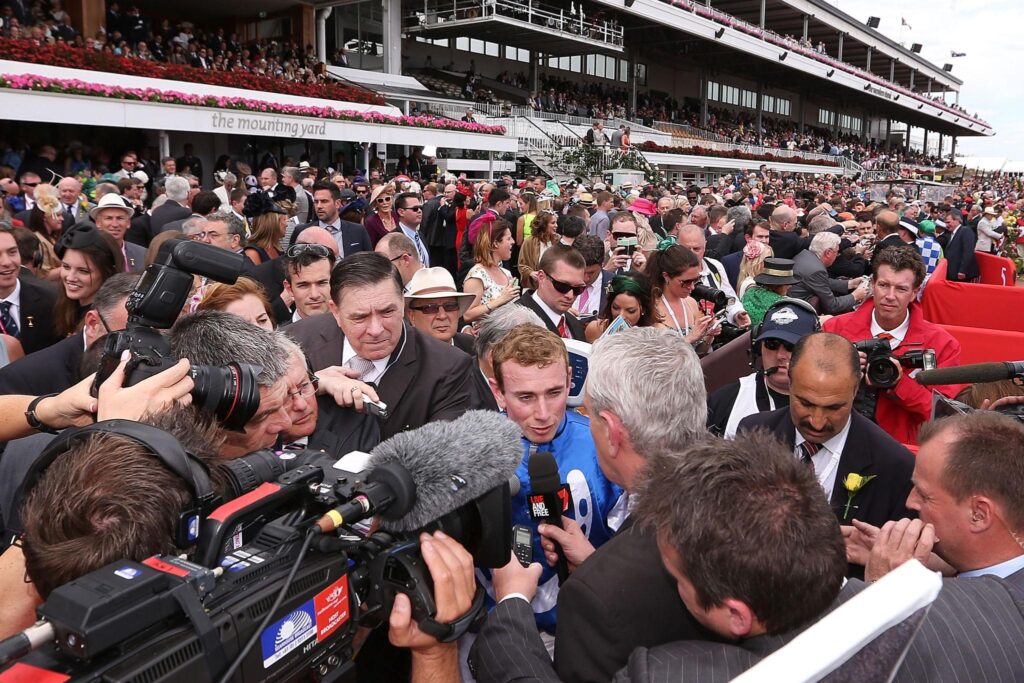
A major race such as the Melbourne Cup generates an enormous amount of information.
There are stories about the horses, jockeys, trainers, owners, barriers, race preparation, track conditions and results. There are also stories about fashion, celebrities, spectators and the atmosphere surrounding Flemington.
The media room becomes a central point where much of this information is gathered, checked and developed.
For journalists, race day is rarely about simply watching the race. They are constantly looking for the next story.
Journalists Arrive Before the Big Race
The work begins long before the horses enter the starting gates.
Media teams arrive early to prepare their equipment, review information and organise their coverage.
Some journalists may already have stories prepared about particular horses or trainers. Others are looking for something unexpected—a late change, an interesting interview, a remarkable performance or a human story that develops during the day.
The Melbourne Cup provides plenty of possibilities.
A relatively quiet morning can quickly turn into a busy newsroom when new information begins arriving.
Photographers Tell the Story Visually
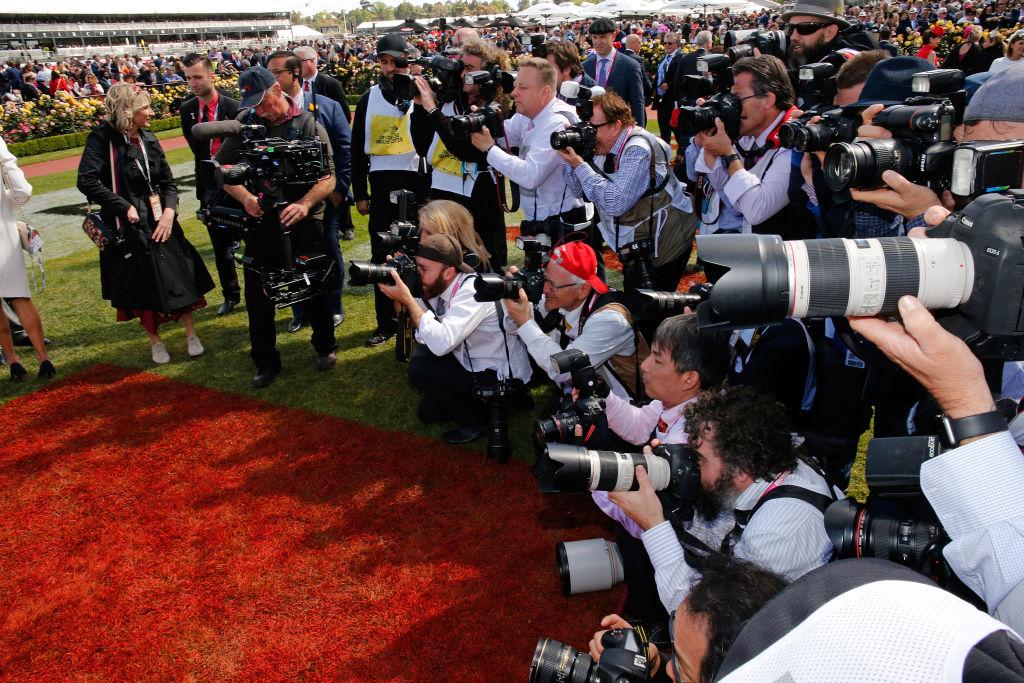
Not every Melbourne Cup story begins with words.
Photographers play an equally important role in documenting the event.
They may capture horses arriving at Flemington, jockeys preparing, trainers watching their runners, spectators entering the course and the atmosphere around the track.
Then comes the race itself.
Photographers have only fractions of a second to capture important moments. A winning horse crossing the line, a jockey celebrating or an emotional reaction from an owner can become the defining image of the day’s coverage.
These photographs can sometimes tell a story before a reader even sees the headline.
Interviews Bring the Stories to Life
One of the most important jobs for racing journalists is speaking with the people involved.
Trainers can provide insight into preparation. Jockeys can explain their tactics. Owners can describe what winning means to them.
These interviews add personality to the Melbourne Cup.
Instead of simply reporting who finished first, journalists can explain what happened before, during and after the race.
That is what turns a result into a story.
When the Race Begins
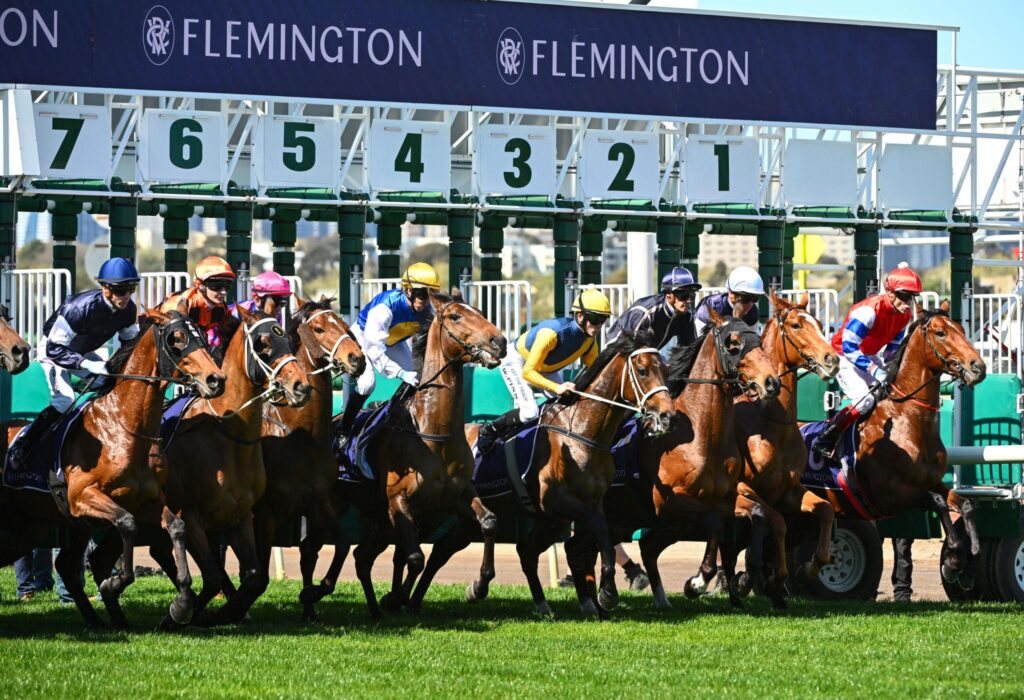
When the horses enter the barriers, the atmosphere inside the media operation changes.
Everyone knows that the most important few minutes of the day are approaching.
Writers are preparing notes, photographers are positioning themselves and broadcasters are getting ready for live coverage.
Once the race begins, there is no opportunity to pause.
The field moves quickly, and journalists must follow the action closely while noting important developments.
A change in position, a tactical move or an unexpected incident can become a key part of the final story.
The Finish Creates a New Wave of Work
The moment the Melbourne Cup finishes, the media room becomes even busier.
The result needs to be confirmed, stories need to be written and photographs need to be selected.
Journalists begin contacting trainers, jockeys and connections for reactions.
Photographers search through hundreds of images to find the most powerful frames.
Editors decide which stories deserve the biggest headlines.
The race may be over, but for the media, the busiest part of the day can just be beginning.
Modern racing coverage extends far beyond the racecourse.
A story produced at Flemington can quickly appear on websites, television broadcasts, newspapers, social media platforms and racing publications.
This means the media room effectively connects Flemington with audiences who may be thousands of kilometres away.
A spectator watching the race at home might see the same winning moment captured by a photographer at the track or hear an interview conducted minutes earlier.
The media operation helps transform a local event into a national sporting story.
The Human Stories Behind the Race
Some of the most interesting Melbourne Cup stories aren’t necessarily about statistics.
They might involve a trainer who has spent decades trying to win the race, a jockey experiencing a breakthrough moment or an owner celebrating an unexpected victory.
There can also be stories about the people working behind the scenes—stable staff, racing officials, photographers and countless others who contribute to the event.
These human stories give the Melbourne Cup its personality.
More Than a Media Room
The Melbourne Cup media room represents something bigger than a workspace for journalists.
It is where observations become articles, photographs become memories and race results become stories that people continue discussing long after the horses have left Flemington.
The media helps preserve the history of the Melbourne Cup by documenting each year’s characters, moments and outcomes.
Years later, today’s headlines and photographs become tomorrow’s racing history.
Where the Story Continues
The horses may provide the action, but the media helps tell the story.
From the first morning interviews to the final post-race reaction, the Melbourne Cup generates an extraordinary collection of stories.
And somewhere inside Flemington, journalists, photographers and broadcasters are working to make sure those stories reach the world.